Apple iMac G3
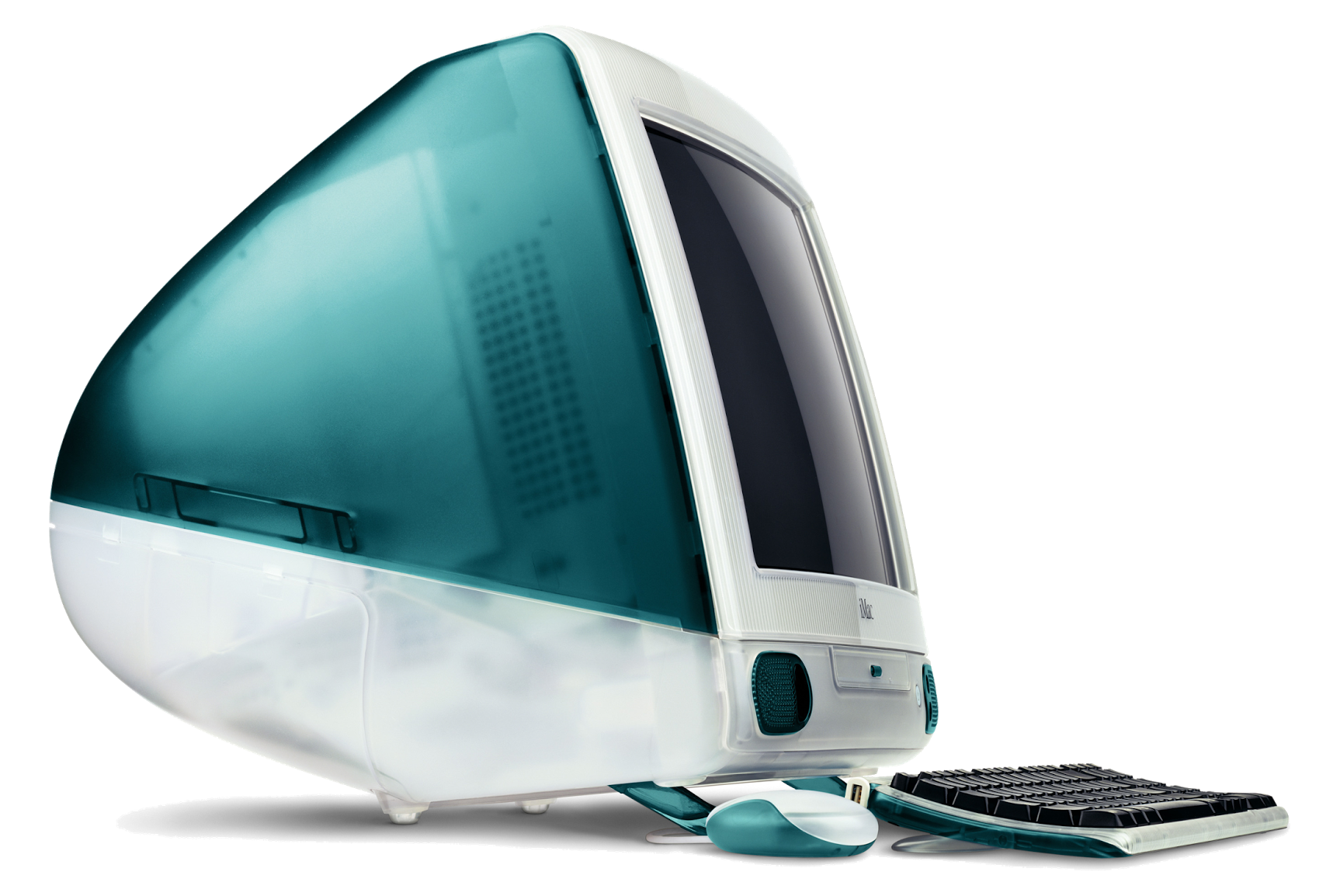
The Apple iMac G3 was one of the most memorable computers of the late 1990s, known for its translucent shell, rounded form, and bold use of color. Released in 1998, it broke away from the beige boxes that defined much of personal computing at the time. Its all-in-one design made it feel approachable and modern, helping Apple reintroduce itself as a company driven by personality as much as technology.
What made the iMac G3 especially important was that it was more than a visual statement. It was designed around simplicity, with a strong focus on getting people connected to the internet quickly and easily. Apple also made the controversial decision to abandon older legacy ports in favor of USB, pushing both users and accessory makers toward a new standard that would soon become common across the industry.
Today, the iMac G3 is remembered as a landmark in industrial design and a turning point in Apple’s history. Its playful appearance made computers feel less intimidating and more at home in everyday life. Even years later, it still stands as a symbol of optimism, experimentation, and the idea that technology could be useful, expressive, and fun at the same time.

Apple has long been known for blending technology with design in a way that feels intentional and human-centered. From its earliest computers to its modern devices, the company has focused on making products that are not only functional, but also visually distinctive and easy to use. That emphasis on clarity, simplicity, and presentation has helped Apple build a strong identity that extends far beyond hardware alone.
The company’s influence can also be seen in how it approaches the relationship between hardware, software, and services. Rather than treating those as separate pieces, Apple has often worked to make them feel like parts of a single, cohesive experience. This philosophy has helped create products that feel polished and interconnected, reinforcing Apple’s reputation for careful design and long-term attention to detail.
Apple’s broader cultural impact also comes from the way it frames technology as part of everyday life rather than something purely technical. Its products are often presented as tools for creativity, communication, and self-expression, which has helped shape how many people think about personal technology. As a result, Apple remains one of the most influential companies in the world, not just for the devices it makes, but for the expectations it has set around design, usability, and experience.